Agentic AI doesn’t just flag risk — it acts on it. But agents don’t make judgment calls; they execute rules. Whoever defines those rules has made the most consequential governance decision in their agentic journey: how much risk the machine can take on alone.

The 2026 Verizon DBIR shows security models are misaligned with modern attacks. Key findings include rising vulnerability exploitation, declining remediation, increased third-party breaches, and AI-driven threats. CISOs must shift from reactive analysis to proactive monitoring.


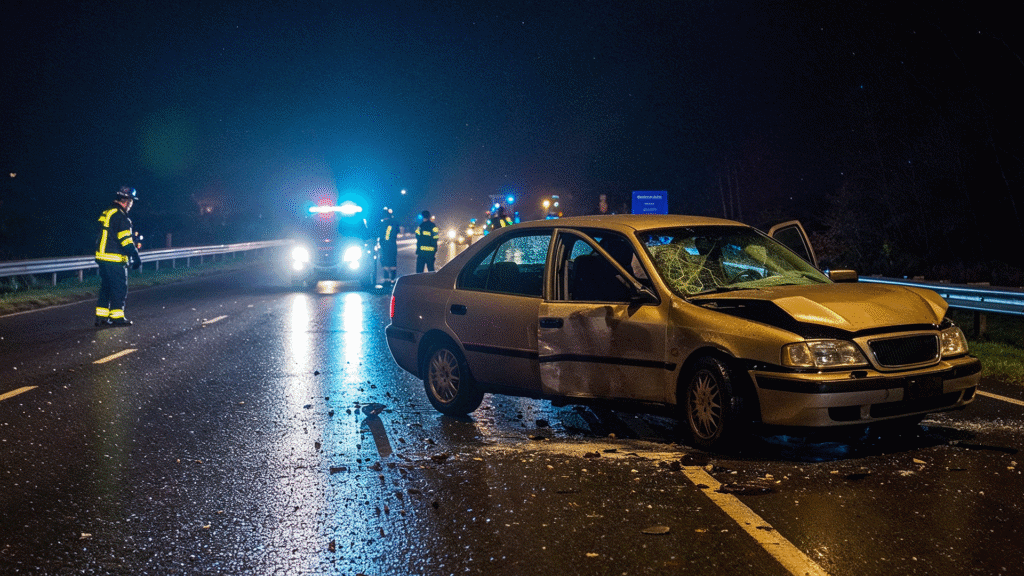
Across Europe, emergency management teams can be the last to know when a major incident begins, creating an information gap. By the time consequence management is activated—shelter, housing, medical coordination, public communications—the crisis may have been compounding for hours. This piece examines why situational awareness arrives too late, and what changes when emergency management teams are informed from the early moments of a crisis.


Federal agencies face a pivotal moment: AI-accelerated threats demand not just faster patching, but smarter architecture. By embracing real-time threat intelligence, continuous exposure management, and preemptive risk models, agencies can build defenses that make any deadline achievable.
Get a firsthand look at how our AI platform helps you know first, so you can act faster.