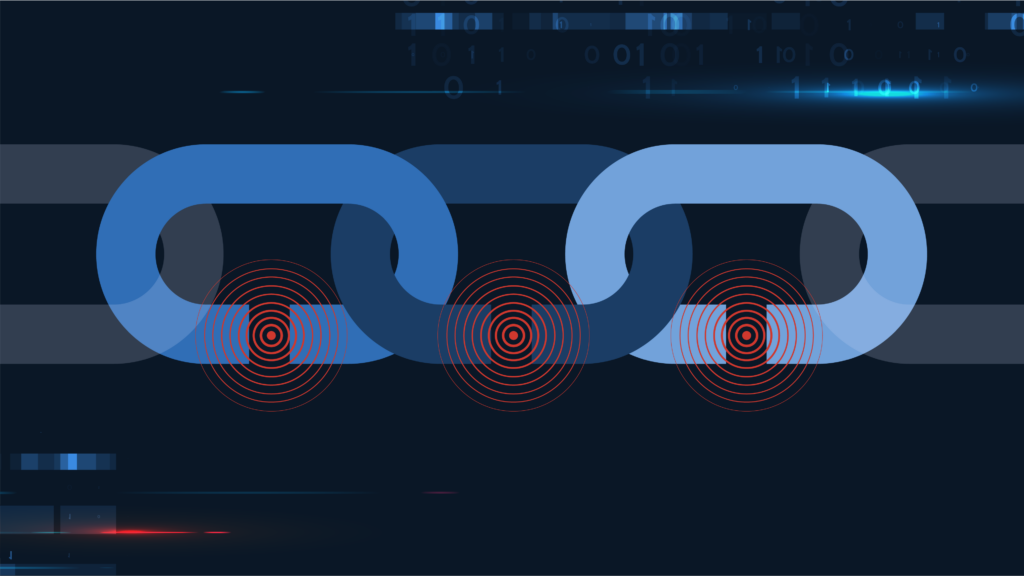
Modern military operations depend on an enormous, interconnected ecosystem extending from the homeland to the theater. The ecosystem relies on a complex array of teams, analysts, administrators, and leadership working across platforms, expertise, and geographies. Disruption anywhere in that ecosystem, including physical infrastructure, cyber systems, logistics networks, suppliers, communications, or military equipment, can impact mission readiness and execution.
As the security landscape evolves, the needs of defense organizations are shifting. These teams must adapt how they receive, share, and act on critical information. To maintain situational awareness, defense organizations utilize publicly available information (PAI) to gain visibility into emerging events and risks across the physical and digital environments their missions depend on. However, PAI comes from an endless array of sources and signals. Keeping track of every source can be overwhelming, increasing the risk of missed critical information, errors and poor outcomes, and analyst burnout.
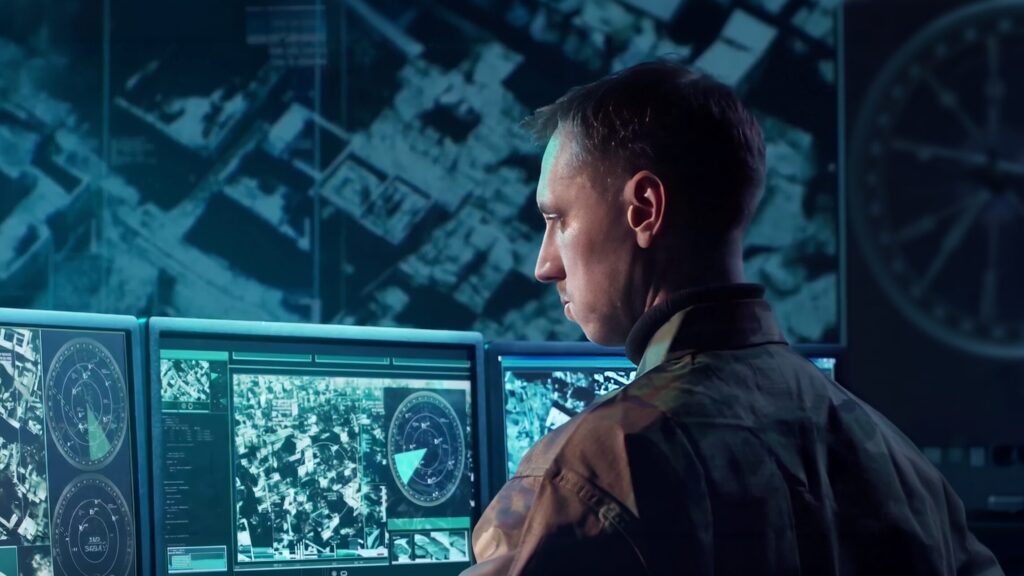
Dataminr’s First Alert platform processes more than one million public sources in more than 150 languages — about 43 TB of public data — every day. Looking across text, images, video, audio, and sensor data, the platform identifies, correlates, and prioritizes relevant and critical data. It cuts through the signal noise to get the most important information to those who need it.
Provide Critical Information for Critical Decision Makers
Mission success and execution depend on information access and a common operating picture, but teams often use siloed, disparate, or manual systems. Some information relay workflows depend on one person manually sharing the data and a single point of failure can challenge taking action in a decisive and timely manner.
The First Alert API flows data directly into existing systems (e.g., PowerBI, MSS, ADVANA, a watch center dashboard, an enterprise analytic platform) building a common operating picture unique to each organization’s information requirements. The API is platform-agnostic, so it can be used with any authorized system.
With this API, the strategy shifts from information access to information advantage. Key parties can now access the same information at the same time. The platform identifies the important PAI, contextualizes it, and shares it with the right people. Leadership can view critical data instantly, including any high-level flags, and analysts can spend more time adding insight to the available information.
Address the Expanding Cyber Risk Landscape
In addition to ensuring the security of physical assets, defense teams face a range of threats in the cyber domain. Aircraft, tanks, and nearly all equipment in the defense arsenal represent a digital risk due to extensive reliance on technology and connectivity. Software, compromised components, and shared networks put each piece of equipment at risk.
Furthermore, the cyber-physical risk extends beyond military equipment to utilities, rail and highway systems, and even large technology infrastructure companies. Supply chains populated with third parties create additional vulnerabilities for critical infrastructure and private companies.
A threat or attack on any of these could impact the movement of personnel and materials, the ability to communicate or disseminate information widely, access to critical resources, and the safety of civilians and forces. PAI provides an important layer of visibility across this broader ecosystem, helping defense teams identify emerging cyber, physical, and operational risks beyond the systems and infrastructure they directly control.
For defense users, Dataminr can enhance legacy tools with proactive cyber defense to identify external threats and incidents. The platform finds emerging threats and malicious indicators, including deep and dark web sources across hacker forums, code repos, social media, and more. With the Dataminr platform, AI-native Intel Agents autonomously retrieve and assemble detailed adversary context, enriching each alert with IOCs, TTPs, CVEs, and exploitability context in seconds.
AI Evolves Alongside Defense Needs
The rapid evolution and expansion of today’s security landscape requires platforms that evolve alongside the threats. The speed and quality of intelligence determine outcomes, and defense teams require clarity and context. PAI plays a critical role in threat intelligence, but the volume and complexity of this data can make it challenging to separate critical data from noise.
With an AI-powered platform built from the ground up, Dataminr maintains a core focus on real-time alerting to deliver real-time information. As threats increase in sophistication and speed, Dataminr’s commitment to evolving AI-driven capabilities keeps users prepared for modern threats. The Multi-Modal Fusion AI provides correlation and contextualization across modalities, offering adaptive, agentic, and context-aware information. As the needs of the defense world shift, the platform evolves, enabling confident, better-informed decisions, offering on-the-ground situational awareness, and delivering intelligent alerts.
The Future of Autonomous Real-Time Intelligence
First Alert Advanced: The next generation of autonomous real-time intelligence for defense. Driven by specialized AI agents and more than 60 task-specific language models, the upgraded platform continuously monitors public data sources to automatically corroborate events, generate tailored live briefs, and analyze historical context. It also delivers tactical predictive intelligence to help decision-makers anticipate how critical events will unfold.
Learn more at the AUSA Conference
Visit us at booth #2853 at the AUSA Conference, October 12–14, in Washington, D.C. Can’t make it in person? Join our webinar on October 22nd to discover the advanced capabilities of Dataminr’s First Alert.
REGISTER HERE