Across Europe, emergency management teams can be the last to know when a major incident begins, creating an information gap. By the time consequence management is activated—shelter, housing, medical coordination, public communications—the crisis may have been compounding for hours. This piece examines why situational awareness arrives too late, and what changes when emergency management teams are informed from the early moments of a crisis.

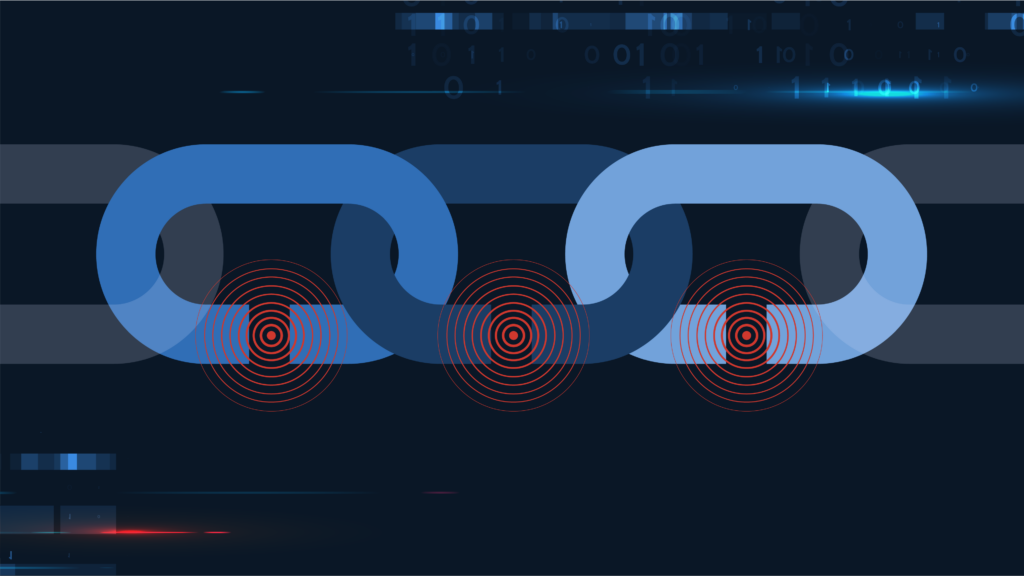
Adversaries are evolving from typical botnets to complex, tiered proxy networks (or ORBs) for greater deniability in intrusions. This challenges indicator-centric defenses like IP blocking. Defenders must adopt robust measures based on activity and endpoint nature, while long-term solutions require policy changes and reducing device compromise.


Federal agencies face a pivotal moment: AI-accelerated threats demand not just faster patching, but smarter architecture. By embracing real-time threat intelligence, continuous exposure management, and preemptive risk models, agencies can build defenses that make any deadline achievable.


State CISOs face an impossible equation: extend cyber protection statewide with flat budgets while threats surge 225%. Third-party breach concerns jumped 77%. The solution isn’t more dashboards—it’s systems that close the gap between early signals and decisive action before windows close.
Get a firsthand look at how our AI platform helps you know first, so you can act faster.